



Post Date : Thursday, August 28, 2025
From August 1, 2024, the 2024 Land Law officially takes effect. At the same time, the Government issued Decree 151/2025, which clarifies the division of powers between two levels of local government, decentralization, and delegation in land management.
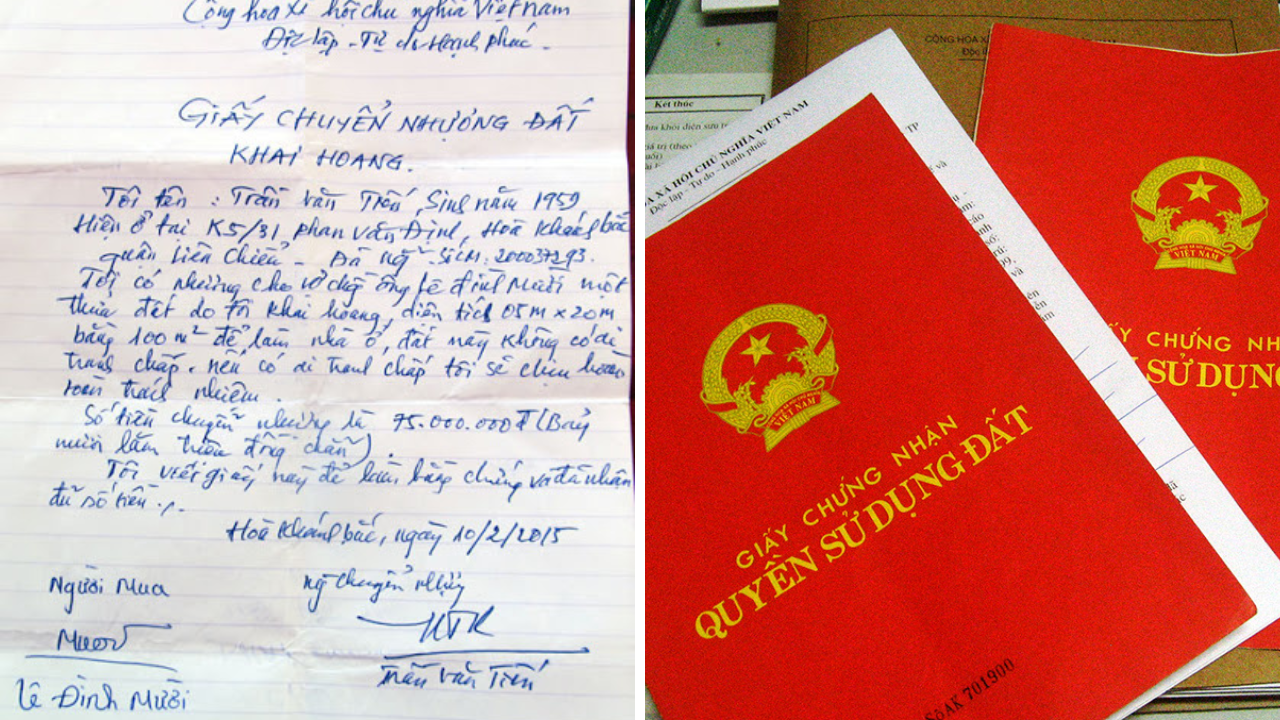
The most notable highlight is the extension of the recognition deadline for land transactions conducted with handwritten contracts.
According to the new regulation, those who purchased or transferred land rights before August 1, 2024 using handwritten agreements are now eligible to apply for the Certificate of Land Use Rights, House Ownership, and Other Assets Attached to Land (commonly known as the “Pink Book”).
This is a significant step forward compared to the previous rule, which only recognized transactions conducted before July 1, 2014. As a result, thousands of transactions carried out between 2014 and 2024 are now officially acknowledged, helping stabilize land use relations and reduce disputes.
![]()
According to Master Ngo Gia Hoang (Faculty of Commercial Law, Ho Chi Minh City University of Law), this regulation essentially replaces Article 42 of Decree 101/2024 while inheriting and expanding provisions from previous regulations such as Decree 84/2007, Decree 43/2014, and Decree 01/2017.
The new rule also covers cases with or without land ownership documents. In line with Article 137 of the 2024 Land Law, buyers are still entitled to Pink Books. Furthermore, the requirement for public posting and disclosure of dossiers at commune-level People’s Committees shows that the State not only recognizes these transactions but also seeks to minimize risks, prevent disputes, and protect the rights of both buyers and sellers.
Experts highlight multiple benefits of legalizing handwritten land transactions:
For citizens: Their rights are protected, housing is secured, and transaction risks are reduced.
For the State: Land management becomes easier, as all plots will be digitized and identified rather than existing outside the legal system.
For society: Fewer disputes and a more transparent, healthier real estate market.
Professor Dang Hung Vo, former Vice Minister of Natural Resources and Environment, stated: “Even if transactions were handwritten, as long as they comply with planning and are free of disputes, Pink Books should be issued. This is a major step forward to stabilize society.”

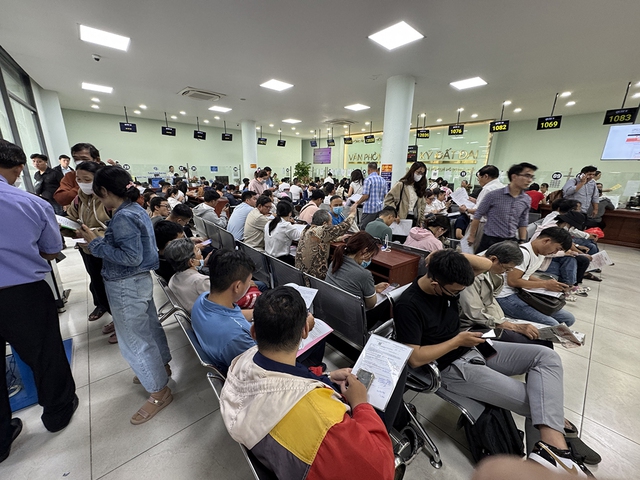
However, challenges persist. The procedures are still not simple. Citizens must prepare many documents, travel back and forth multiple times, and processing times often exceed the stipulated deadlines.
In addition, extending the recognition period may unintentionally encourage continued use of handwritten contracts, which bypass formal legal requirements. Therefore, it is necessary to:
Incorporate these rules into law, avoiding overlaps in sub-law regulations.
Simplify procedures, with clear and transparent processes.
Enhance public awareness and supervision, ensuring both citizens’ rights and greater legal compliance.
For agricultural land that was subdivided and sold for housing before July 1, 2014, Pink Books may still be granted, provided the land complies with planning, is free of disputes, and has supporting evidence such as non-agricultural land tax payments, temporary residence registration, or electricity purchase records.
Transactions involving agricultural land sold via handwritten agreements after July 1, 2014, where houses were later built without permits, are not yet eligible for Pink Books—even though such cases are common in large cities like Ho Chi Minh City. Further specific regulations are needed to address these situations.
Another critical change: starting August 1, 2024, all land transactions must be executed via written contracts, notarized or authenticated, and registered for land changes as required by law. This marks a decisive step toward eliminating handwritten transactions and ensuring transparency in the real estate market.
Decree 151/2025 and the 2024 Land Law provide millions of handwritten land transactions conducted before August 1, 2024, the opportunity to be legalized and granted Pink Books. This is a crucial policy to protect citizens’ rights. However, for it to be truly effective, the State must continue to simplify procedures, fully codify regulations into law, and strengthen oversight to prevent misuse. This represents an important step toward greater transparency and modernization in Vietnam’s land management system.