



Post Date : Thursday, August 07, 2025
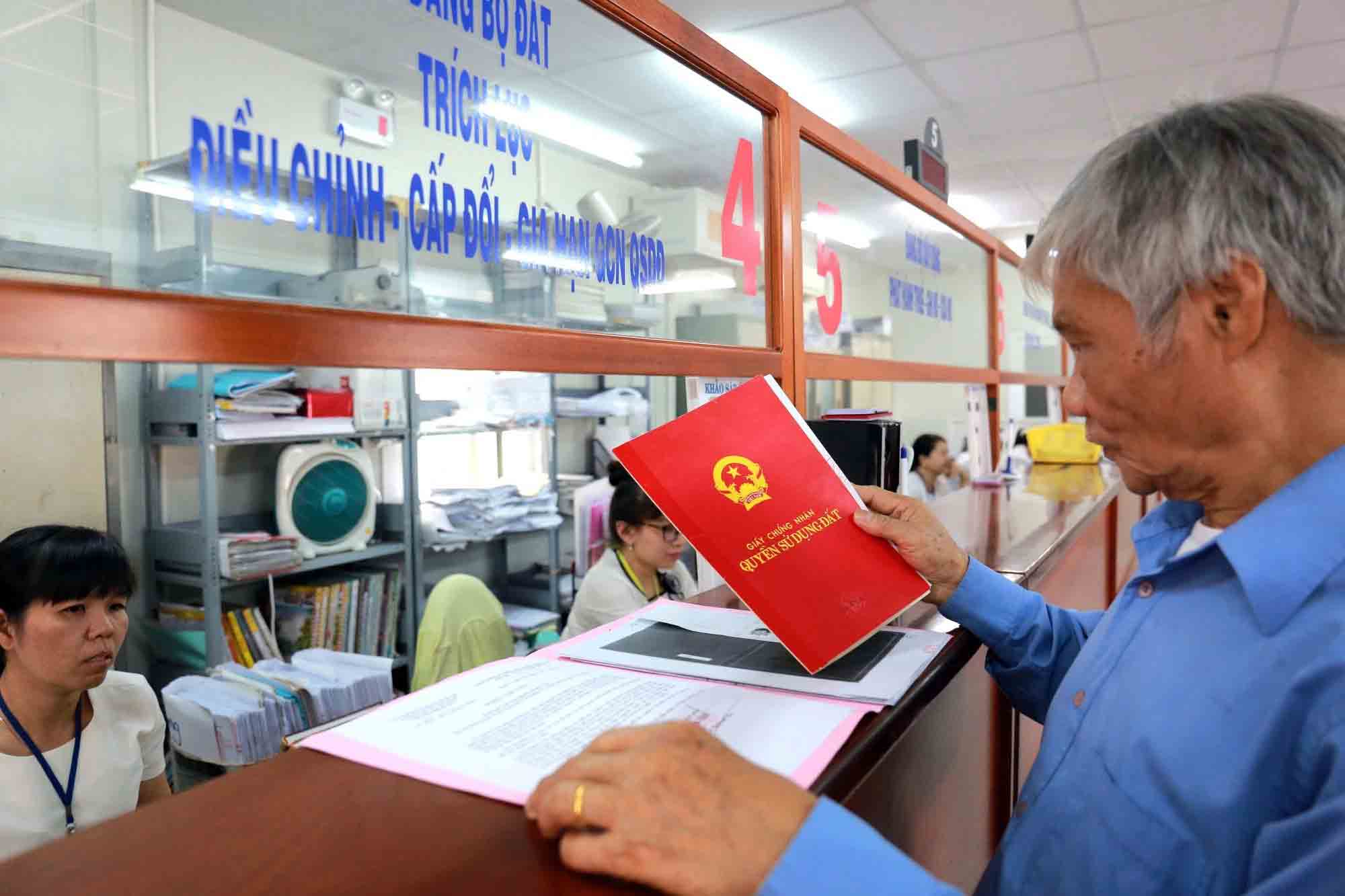
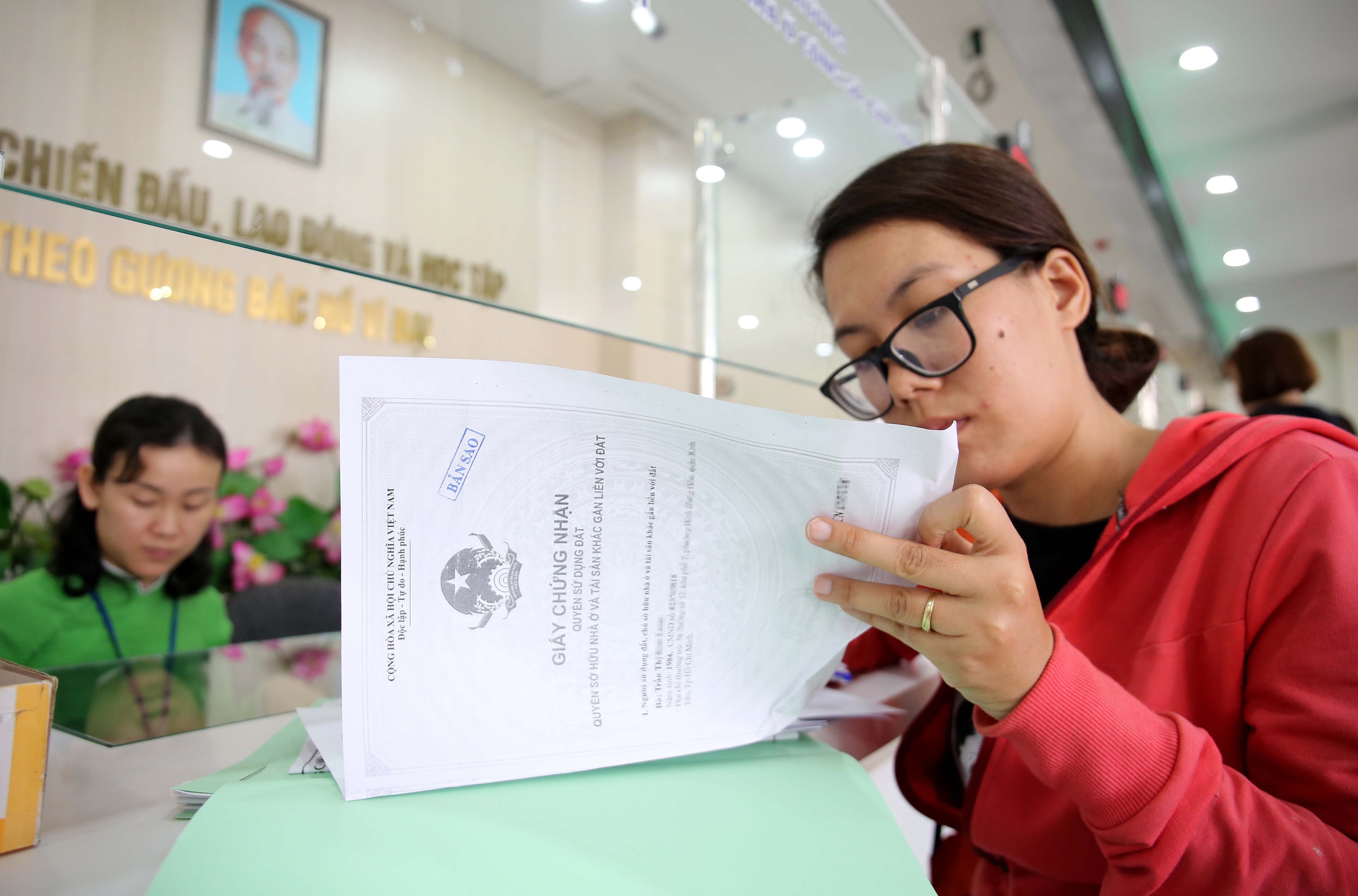
Ho Chi Minh City – The Ministry of Natural Resources and Environment (MoNRE) is currently collecting public feedback on the draft amendments to the 2024 Land Law, with a focus on simplifying administrative procedures—especially in issuing Land Use Right Certificates (commonly known as "red books") and recognizing land ownership. A key breakthrough in the proposal allows individuals to self-declare the safety of structures without requiring confirmation from construction authorities.
According to the draft, households and individuals will no longer be required to obtain verification from construction management agencies regarding the legality of existing structures when applying for land use certificates, even if such structures were built without a permit. Instead, they will take personal responsibility for the safety of those buildings. This change is expected to resolve long-standing bottlenecks that have left countless households unable to legalize their homes, despite living on the land for decades.
Dr. Pham Viet Thuan, Director of the Institute for Natural Resources and Environmental Economics, cited a typical case: a century-old ancestral home in Cu Chi District could not be included in inheritance procedures because local authorities required its demolition before proceeding. Under the proposed law, such scenarios could be resolved more reasonably, enabling children to inherit property legally from their parents.

Another major reform is the decentralization of land certificate issuance to the commune level. From July 1, 2024, first-time red book applications can be processed by commune-level People’s Committees instead of district offices. This will shorten processing times, reduce costs, and limit corruption due to fewer administrative layers.
Guidelines in Ho Chi Minh City specify that the process of issuing a red book for the first time should not exceed 30 working days. Even in remote or disadvantaged areas, the maximum processing time remains the same.
Mr. Pham Ngoc Lien, former Director of the Ho Chi Minh City Land Registration Office, affirmed that transferring the authority to commune-level agencies—who are most familiar with local land dynamics—was a sound and practical move that significantly benefits citizens.

The draft law also proposes allowing land information updates when mineral exploitation rights are transferred. The transferee would inherit all rights and obligations stated in the original license. This move also offers a legal pathway for transferring red books or passing property to children—an area currently plagued by bureaucratic deadlocks due to rigid requirements on structural legality and land status.
In many cases, families cannot transfer land or homes to heirs due to missing completion documents or zoning approval. Under the proposed changes, heirs can receive land titles as long as they assume responsibility for the building's safety, even in the absence of full documentation.
Experts caution that large urban centers like Ho Chi Minh City and Hanoi should still maintain stricter regulations to avoid unregulated development. Without such safeguards, the new law could inadvertently encourage unauthorized construction, especially in areas already exempted from building permit requirements.
The 2024 Land Law amendments promise significant progress in land rights formalization, especially in facilitating red book issuance, property transfers, and inheritance. These changes will reduce costs, shorten processing times, and eliminate legal obstacles that have long hindered citizens from securing ownership of property they legally occupy.