

: Era Town, Nguyen Luong Bang,Phu My Ward, District 7, Ho Chi Minh City
028 66843500
+886 956918888
hotline
028 66843500 +886 956918888

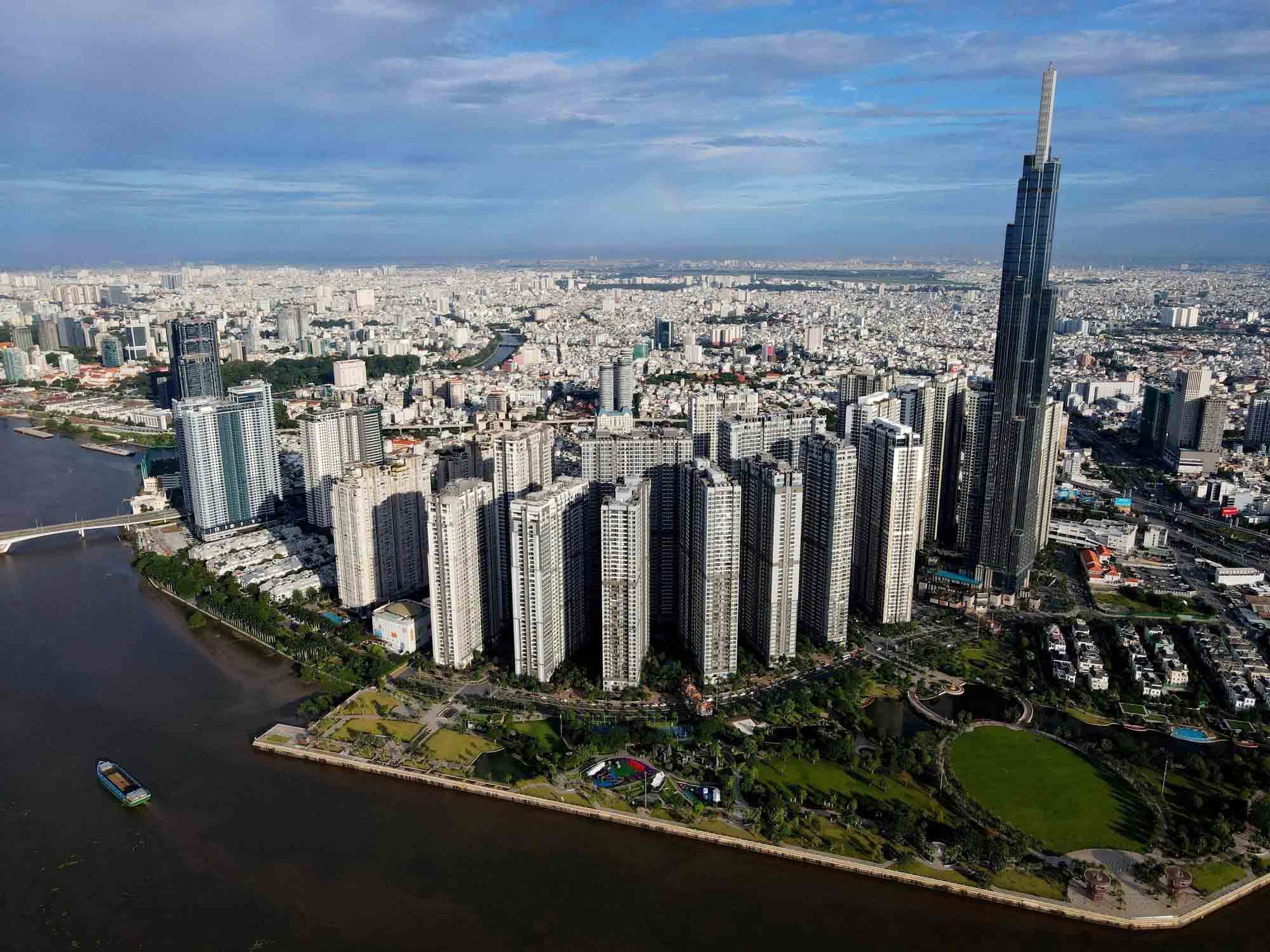
The Free Trade Zone will be a new driving force for Ho Chi Minh City.

Post Date : Monday, August 18, 2025

Ho Chi Minh City Free Trade Zones (FTZ): New Drivers for Diversified Growth and Real Estate

FTZ – A Strategic Move After the Merger

According to a proposal by the HCMC Department of Industry and Trade, the newly merged Ho Chi Minh City has planned four Free Trade Zones (FTZs), located in Can Gio, Cai Mep Ha, An Binh Ward, and Bau Bang (formerly part of Binh Duong). This is a strategic step to leverage the city’s existing logistics, industrial, seaport, and international border infrastructure, transforming HCMC into the central hub of the regional production value chain—from design and manufacturing to export.

Experts emphasize that FTZs are not simply “tax-free zones.” In a global context where tariffs are trending toward 0%, the essence of new-generation FTZs lies in priority infrastructure, service fee incentives, and efficient mechanisms that allow multinational corporations to operate as if they were in their own countries. If HCMC fails to move quickly, opportunities could again fall to Singapore, which is already reaching saturation.

Khu thương mại tự do sẽ là động lực mới cho TP.HCM

Direct Impact on Economic Growth

According to Associate Professor Dr. Tran Hoang Ngan, HCMC needs to achieve double-digit growth in the coming years. Of this, 8% must come from mobilizing private and foreign investment, while another 2% will come from the operation of the International Financial Center, FTZs, and the Can Gio international transshipment port. Thus, FTZs not only directly contribute to this 2% growth but also act as a magnet for social capital, ensuring the city secures the 8% growth target.

The success of the Shanghai Free Trade Zone (SHFTZ) is a vivid example. Since its establishment in 2013, SHFTZ has attracted over 84,000 new enterprises, with cumulative registered FDI reaching USD 217.2 billion. Its trade in goods rose from USD 207.6 billion in 2013 to USD 340.5 billion in 2022. With both geographic and urban scale advantages, HCMC is fully capable of replicating—and even surpassing—this success.

Impact on the Real Estate Market

The establishment of FTZs will directly push up land and real estate values in surrounding areas:

  • Can Gio: Already planned for 1,000–2,000 hectares of FTZ linked with the Can Gio international transshipment port and a reclaimed urban area. With the Can Gio Bridge and the eco-tourism city project, property prices are expected to soar further.

  • Cai Mep Ha: Covering more than 3,700 hectares, directly connected to the Cai Mep–Thi Vai deep-water port and Long Thanh International Airport, this area is projected to become a top logistics and industrial hub. Land values along the port–airport economic corridor, particularly in Ba Ria–Vung Tau and Dong Nai, are expected to rise sharply.

  • Bau Bang (formerly Binh Duong): Located on the Moc Bai–Cai Mep economic corridor, this area is surrounded by large industrial zones. Demand for industrial land and worker housing will surge, making it a prime real estate hotspot.

  • An Binh Ward (formerly Binh Duong): Situated near the Song Than inland port and connected to the international railway, the 100-hectare FTZ here will drive up demand for logistics warehouses, factories, and commercial real estate.

In short, FTZs are not only catalysts for economic growth but also triggers for booming industrial real estate, logistics facilities, and satellite urban property values, creating new investment hot zones.

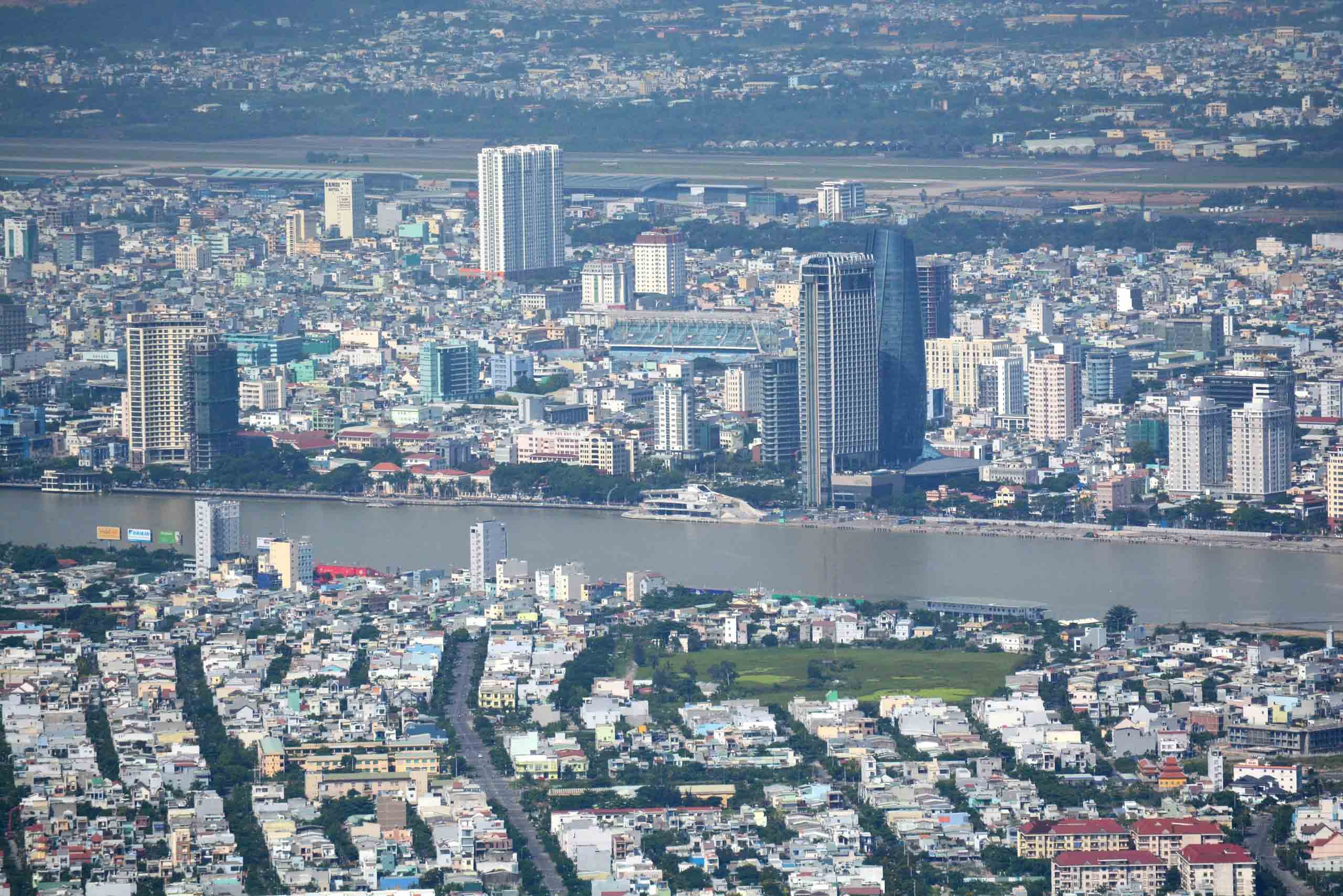
Khu thương mại tự do: Động lực tăng trưởng mới

Avoiding Fragmentation, Focusing on Strategy

Experts recommend that HCMC should focus on building only 1–2 core FTZs in this new stage, rather than spreading resources thinly across four zones. The Cai Mep Ha–Long Thanh area is considered a “golden location” with the strongest potential to become an international port–airport economic hub that attracts multinational corporations.

More importantly, HCMC must establish special legal frameworks: covering foreign exchange mechanisms, fintech sandboxes, special visa programs, and global talent attraction policies. If FTZs are turned into “institutional laboratories,” HCMC will not only catch up but could surpass other global megacities.

FTZs are vital engines driving HCMC’s transformation into a “megacity.” They will attract capital, accelerate industrial upgrading, and boost real estate values. From Can Gio to Cai Mep–Long Thanh, the creation of FTZs will reshape the investment map, becoming new economic growth poles between 2026–2030, with land and industrial real estate values expected to climb significantly.


Thank you for rating
0 0

Free Consultation Update the latest information
Enter your information to receive our advice
capcha
capcha
News Update the latest information
Ho Chi Minh City Faces a Shortage of Affordable Rental Housing
Dong Nai is making a strong breakthrough, emerging as a new urban hub.
2026 社會住宅「大浪潮」:數萬戶新住宅同步啟動建設
When Infrastructure Meets Incentive Policies: Where Is the New Focus of Capital Flow?
Billion-Dollar Infrastructure Takes Shape, Positioning Dong Nai as a New Investment Hotspot!
Dong Nai Transforms Rapidly as Investors Rush to Capitalize on Infrastructure Growth Opportunities!
More Than $1 Billion Flows into the North of Ring Road 4 – Is a New Growth Hub Taking Shape?
Enhancing Land-Use Efficiency: Ho Chi Minh City Reclaims Project Land in the High-Tech Park
Infrastructure Breakthrough: Direct Connection Between Ho Chi Minh City and Vung Tau via the New Expressway
Vietnam Strengthens Its Position on the APAC Economic Map, Creating Major Opportunities for the Real Estate Market.
Video clip Update the latest information