


Post Date : Wednesday, October 09, 2024
In recent years, Hanoi has undertaken numerous large-scale transportation infrastructure projects aimed at reducing traffic congestion, easing transportation pressure, and improving the quality of life for residents. These projects not only give the city's transportation system a fresh look but also play a crucial role in the socio-economic development of the capital. Below are some of the standout projects that are dramatically reshaping the transportation landscape in Hanoi.
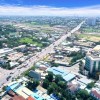
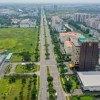
The elevated Ring Road 3 is one of Hanoi's key transportation projects designed to alleviate severe traffic congestion at the city's gateways. This road not only connects urban and suburban areas but also serves as a vital artery linking the capital with neighboring provinces, especially major industrial zones such as Bac Ninh, Hung Yen, and Hai Duong.
With its completion, the elevated Ring Road 3 has significantly reduced traffic pressure on ground-level roads, improved circulation, and shortened travel times. Additionally, it facilitates the transportation of goods, contributing to the region’s economic growth.
The Cát Linh - Hà Đông urban railway is one of the most anticipated transportation projects in Hanoi. Stretching over 13 kilometers with 12 stations, this elevated railway line not only helps relieve pressure on bus and road systems but also encourages residents to use public transport, thereby reducing air pollution and traffic congestion.
After years of construction, the Cát Linh - Hà Đông line is now operational and attracting public attention. With fast and convenient travel, this railway is expected to be a major breakthrough in public transportation development in the capital, laying the groundwork for future metro lines.
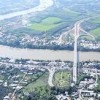
Nhật Tân Bridge, one of the most modern cable-stayed bridges in Vietnam, symbolizes the strong cooperative relationship between Vietnam and Japan. Together with the road connecting Nhật Tân Bridge to Nội Bài International Airport, it has become a critical transportation corridor, reducing travel time from the city center to the airport.
This project not only eases traffic on Thăng Long Bridge but also plays a vital role in connecting the northwest regions to the city center. Nhật Tân Bridge has significantly spurred economic and social development in surrounding areas, contributing to Hanoi's urban planning expansion.
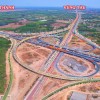
The Hanoi - Hai Phong Expressway is one of the largest interprovincial transportation projects in northern Vietnam and holds strategic importance in connecting key economic regions. Its completion has shortened the travel time between Hanoi and Hai Phong, facilitating the development of trade, industry, and tourism between the regions.
Additionally, the expressway reduces traffic on National Highway 5, improving traffic conditions and accelerating urbanization in neighboring provinces like Hung Yen and Hai Duong.
To address traffic congestion at major intersections, Hanoi has been constructing several underpasses and overpasses. These projects not only improve traffic flow but also significantly reduce congestion, particularly during peak hours.
Projects such as Thanh Xuân Tunnel, Trung Hòa Tunnel, and the Láng Hạ - Giảng Võ overpass have greatly enhanced traffic management and reduced waiting times at key intersections, thereby increasing the efficiency of transportation infrastructure.
These modern and large-scale transportation projects are gradually transforming Hanoi's transportation landscape. Not only are they solving traffic congestion issues, but they also enhance the quality of life for residents, stimulate economic growth, and elevate the city's position internationally. In the future, with the synchronous development of public transportation projects and urban infrastructure, Hanoi is poised to become a smarter, more modern, and livable city.