

Post Date : Tuesday, October 15, 2024
Amid the difficulties faced by Vietnam's real estate market, the proposal to offer a 125 trillion VND loan package for those purchasing rebuilt apartments is a key policy aimed at promoting urban redevelopment and addressing deteriorating housing issues. This policy not only helps middle-income families access financial resources to acquire new homes but also provides momentum for the real estate market and investors. Let's explore the significance, benefits, and challenges of this loan package in more detail.
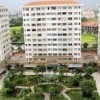
Currently, in major cities like Hanoi and Ho Chi Minh City, many old apartments have seriously deteriorated, requiring reconstruction or renovation. Most of these buildings were constructed in the 1970s and 1980s and no longer meet modern safety and convenience standards. However, due to financial constraints, many families are unable to afford new homes or participate in redevelopment projects.
The degradation of these old apartments not only affects residents' quality of life but also poses a potential public safety hazard. In recent years, there have been several incidents of apartment collapses or infrastructure-related accidents, making urban redevelopment an urgent necessity.
The proposed 125 trillion VND loan package is intended to help residents purchase new apartments after reconstruction. This is a preferential loan with a lower interest rate than conventional loans, alleviating the financial burden on homebuyers. It holds great significance for families living in old, dilapidated apartments who wish to move into safer, modern residences.
This loan package not only aims to support homebuyers but also encourages the progress of reconstruction projects for old apartments. With financial backing from buyers, investors are less exposed to risks, enhancing the feasibility and success of redevelopment projects.
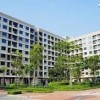
Firstly, the 125 trillion VND loan package will contribute to solving the housing shortage in large urban areas. Many families living in old apartments will have the opportunity to move into newly built, modern homes at more affordable prices through preferential loans. This not only improves the quality of life but also fosters urban development, transforming outdated areas into modern, civilized urban centers.
Secondly, this loan package will provide strong momentum for the real estate market. With a large influx of capital, new apartment construction projects will be initiated more quickly, creating thousands of jobs in the construction, design, and related industries. At the same time, with increased demand and financial capability from homebuyers, real estate investors will benefit from reduced financial risks.
Thirdly, from an economic perspective, the implementation of this loan package will stimulate the growth of various related industries, from construction materials to interior design and services, contributing to the economic recovery following the downturn in the real estate market and the global economy.
Although the 125 trillion VND loan package has clear benefits, its implementation also faces several challenges. One of the main concerns is ensuring transparency and efficiency in the allocation and use of this loan. Selecting beneficiaries who truly need support and have the ability to repay is crucial to avoid bad debts and reduce pressure on the financial system.
Additionally, the infrastructure in areas slated for redevelopment needs to be carefully considered. Rebuilding old apartments must go hand in hand with upgrading transportation, public amenities, and related services to ensure a high quality of life for residents.
The 125 trillion VND loan package for purchasing rebuilt apartments is a vital solution to address housing issues in major cities while stimulating real estate market growth and economic recovery. However, to ensure its effectiveness, close coordination is required between regulatory agencies, banks, and investors. Moreover, transparency, fairness, and efficiency in the implementation process are essential to providing residents with safe, modern, and sustainable housing opportunities.