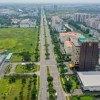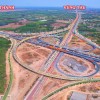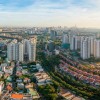




Ho Chi Minh City is facing numerous challenges in managing and developing real estate, particularly concerning land prices. The accurate determination of land prices not only affects the market but also influences various factors such as attracting investments, urban planning, and creating fairness for residents. Recently, several districts have proposed adjusting the land price table to align with actual development conditions, sparking significant interest and discussion within the community.
-
Reasons to Recalculate Land Prices The current land price table in Ho Chi Minh City still has many shortcomings compared to market prices. Some areas, especially central districts and rapidly developing zones, have seen significant land price fluctuations recently, but the official land price table has not been updated accordingly. This leads to several issues:
- Discrepancy between actual land prices and official prices: In certain areas, market land prices have skyrocketed, while the current land price table remains unchanged or slightly adjusted, causing imbalances in determining land taxes, related fees, and compensation for land recovery.
- Challenges in attracting investment: Areas with high land prices but undervalued in the official land price table can deter investors, making it difficult for them to make reasonable decisions regarding project development strategies.
- Unfairness for residents: When the land price table does not reflect the actual value, residents affected by projects may not receive adequate compensation.
-
Districts Needing Adjustment Several districts have been mentioned in this proposal, including fast-developing areas such as:
- District 2 (now Thu Duc City): This area has seen tremendous infrastructure development, attracting large real estate projects, but the official land price table has yet to reflect these changes.
- District 9 and Binh Thanh District: Many new projects have emerged, leading to a rapid increase in land prices in these districts, but the land price table has not been adjusted accordingly.
- Suburban districts such as Nha Be and Binh Chanh: These areas are becoming real estate hotspots with strong infrastructure development, but they still fall under low land price categories in the current table.
-
Proposals and Solutions Experts and managers have proposed the following measures to ensure fairness and support sustainable development in Ho Chi Minh City's real estate market:
- Shorter land price adjustment cycles: Instead of maintaining a land price table for extended periods (typically five years), adjustments should be made annually or at least every 2-3 years to keep up with market fluctuations.
- More detailed zoning: Dividing regions into smaller areas and calculating land prices based on specific zones, considering the socio-economic development of each area, will help ensure more accurate pricing.
- Transparency and public disclosure: Information related to land prices and the adjustment process should be made public and transparent to build trust and allow for feedback from residents and investors.
-
The Importance of Adjusting Land Prices Adjusting the land price table in Ho Chi Minh City not only helps mitigate current imbalances but also offers long-term benefits:
- Fairness in taxation and compensation: When land prices reflect actual values, residents will benefit from fair compensation policies during land recovery, and the government will collect taxes based on true land value.
- Support for sustainable development: An appropriate land price table will encourage investors to develop projects systematically, avoiding land speculation and market fluctuations.
- Enhanced urban management: A precise land price table helps the government in urban planning and infrastructure development, ensuring balanced growth among regions while controlling the pace of urbanization reasonably.
-
Conclusion Adjusting the land price table is crucial for Ho Chi Minh City's sustainable and equitable development. The proposals from various districts highlight the need for changes to reflect actual conditions, thereby creating better opportunities for socio-economic development and ensuring the rights of residents are protected.