


Post Date : Saturday, October 12, 2024
One of the primary reasons for the rapid increase in housing prices is the lack of supply, especially in the social housing and affordable housing segments. To address this issue, there needs to be strong intervention from the government and relevant agencies. Specifically, increasing the number of social housing projects for low- and middle-income groups is a critical solution.
Additionally, encouraging real estate companies to participate in the affordable housing segment can help balance supply and demand. This can be achieved through tax incentives, preferential loan rates, or simplifying administrative procedures during project implementation.
Speculation is a significant factor in driving up housing prices, where many people buy properties not for actual housing needs but to profit from selling them at higher prices. The government needs to tighten control over speculative activities and introduce appropriate tax policies to reduce real estate speculation.
Many countries have adopted progressive tax rates that impose higher taxes on individuals who own multiple properties. This measure can help limit property hoarding and increase the availability of housing in the market.
Transportation infrastructure plays a crucial role in decentralizing the population and reducing housing pressure in city centers. When transportation systems are effectively developed, residents can easily commute from suburban areas to the city center, creating opportunities for the suburban real estate market to flourish.
Expanding highways, building metro systems, light rail lines, and rapid bus routes will not only connect suburban areas with the city center but also increase the value of properties in these areas. This will help reduce housing price pressure in central areas while offering more affordable options for homebuyers.
Besides increasing housing supply, financial support policies for homebuyers, especially young families and low-income earners, are key factors in curbing housing prices. Low-interest loan programs, extended loan repayment periods, or partial capital assistance can help homebuyers more easily access financing.
Moreover, first-time homebuyer support policies such as tax reductions or housing subsidies can increase the feasibility for genuine homebuyers, thereby reducing speculative demand and property hoarding.
Transparency in real estate information is essential for fostering a sustainable and healthy market. The government should enhance the public disclosure of project details, pricing, and zoning information so that the public and investors can access accurate information, avoiding price manipulation or market speculation.
Establishing a national real estate database and digitizing property information can improve market transparency and reduce transaction risks. When real estate market information is transparent, buyers and investors will have a more comprehensive view of pricing, avoiding the "herd mentality" that can drive prices higher.
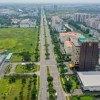
Developing satellite cities around major cities like Ho Chi Minh City and Hanoi is a long-term solution to alleviate housing pressure in central areas. These satellite cities, equipped with modern infrastructure and comprehensive amenities, can attract residents and reduce dependency on housing in main urban areas.
The construction of satellite cities should be part of a comprehensive urban plan, ensuring strong connections between these areas and the city center, both in terms of transportation and services. This will help create a sustainable urban network, reducing the upward pressure on housing prices in inner-city areas.
Finally, an important factor in controlling housing prices is raising public awareness about the negative effects of real estate speculation. Through public campaigns and education, the community can better understand the impact of speculation on the market, fostering a more rational view of property values and reducing speculative behavior.
Controlling the sharp rise in housing prices is a complex task that requires cooperation from the government, businesses, and the public. By adopting a combination of solutions such as increasing the supply of social housing, controlling speculation, developing transportation infrastructure, and improving market transparency, we can work toward a more stable and sustainable real estate market.