


Post Date : Tuesday, November 05, 2024
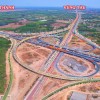
The intersection is surrounded by numerous high-rise apartments and commercial centers, resulting in high traffic density and frequent conflicts between vehicles turning in different directions at the roundabout. The removal of the roundabout, along with the restructuring of lane distribution, is expected to improve traffic flow and alleviate bottlenecks during peak hours. Additionally, optimizing vehicle movement in the area will help reduce pollution caused by prolonged vehicle idling, thereby mitigating negative environmental impacts.
According to the plan, after the roundabout is removed, the divider on Pham Van Dong Avenue from Binh Loi Bridge to the intersection will be modified. Specifically, the automobile lanes will be set up with four lanes, including one left-turn lane and three straight lanes, while the mixed-use lanes will have four lanes: one left-turn lane, two straight lanes, and one flexible lane that can either proceed straight or turn right depending on the situation. This reorganization of lanes aims to ensure smooth traffic flow through the intersection, particularly during morning and evening rush hours, thereby eliminating frequent congestion issues.
This change not only enhances traffic efficiency but is also part of the overall strategic development of modern transportation infrastructure for Ho Chi Minh City. The city is facing increasing pressure from rapid urbanization and population growth, making the improvement of key transportation hubs essential to maintaining a smoothly functioning traffic network and improving residents' quality of life.
Before reaching the intersection, the divider between the automobile lane and the mixed-use lane on Pham Van Dong Avenue will be widened to create space for automobiles to change lanes and then turn right into Street No. 20. However, at the intersection itself, right turns from Pham Van Dong Avenue will be restricted to prevent traffic conflicts. This restriction was proposed after a thorough analysis of traffic flow and potential conflict factors, aiming to create a safer and more efficient traffic environment for all types of vehicles.
On the opposite side of Street No. 20, Kha Van Can Street (from Go Dua towards the intersection) will also be widened to optimize traffic flow. The widening plan includes adding a left-turn lane, two straight lanes, and a right-turn lane. The traffic signal system at the intersection will also be adjusted according to the new traffic pattern to meet real-time traffic demands and reduce congestion. Moreover, the new traffic light system will be connected to the central control network, allowing for flexible adjustments based on actual traffic volume, ensuring efficient and intelligent traffic management.
Additionally, to ensure the safety of pedestrians and non-motorized vehicles, crosswalks and pedestrian lane markings will be upgraded to facilitate safe and convenient crossing of the intersection area. These measures will play an important role in reducing traffic accident risks and enhancing safety for all road users.
Pham Van Dong Avenue, over 12 kilometers in length, starts from the Linh Xuan intersection (National Highway 1) in Thu Duc City and ends at the Nguyen Thai Son Roundabout in Go Vap District, making it one of the most important and beautiful traffic arteries in Ho Chi Minh City. The avenue varies in width from 30 to 65 meters, with 6 to 12 lanes, serving not only as a vital transport link connecting the eastern areas with the city center but also as a symbol of modern urban infrastructure development. Furthermore, this avenue plays an important role as an economic development corridor, connecting industrial parks and new urban areas, thereby promoting the socio-economic development of Ho Chi Minh City.
The area around the intersection with Street No. 20 has been a hotspot for traffic congestion due to the increasing density of vehicles, particularly with the presence of large commercial centers such as Gigamall and numerous high-rise apartments. The removal of the roundabout not only alleviates congestion in this area but also enhances traffic flow capacity along the entire road, increasing the efficiency of urban traffic infrastructure. This is a crucial step toward transforming Ho Chi Minh City into a smart city, equipped with flexible, efficient, and environmentally friendly transportation systems.
Previously, the Ho Chi Minh City Department of Transport also removed the roundabout at the intersection of Pham Van Dong Avenue and Le Quang Dinh Street. The results of this modification indicated that the traditional roundabout model no longer meets the practical traffic needs of a rapidly developing city, further emphasizing the necessity of adopting modern and more practical traffic reorganization solutions. The success of these projects has paved the way for new approaches in urban traffic planning and management, pushing Ho Chi Minh City towards sustainable development, meeting the needs of millions of residents, and contributing to the overall growth of the region.
Moreover, the changes in intersection infrastructure also serve as a pilot for advanced traffic management models, from which the city can draw valuable lessons to adjust, improve, and implement in other areas. This is especially important as Ho Chi Minh City is undergoing rapid development, requiring sustainable and flexible traffic solutions that can adapt to ongoing urbanization and population growth.