

Post Date : Thursday, November 14, 2024
According to Long An Province's development strategy, 17 new industrial zones will be established, increasing the total number of industrial zones in the province to 51 by 2030, with a total area of 12,433 hectares. Meanwhile, Long An also aims to develop 28 industrial clusters with an area of 1,808 hectares, increasing the total to 72 clusters by 2030, with a combined area of 3,989 hectares. This strong industrial development has created significant demand for population inflow to Western Ho Chi Minh City, further boosting the housing market.
Between 2009 and 2021, Long An recorded an annual population growth rate of about 2%, with a current total population of approximately 1.6 million people, of which 1 million are of working age. Notably, 71% of the population has received basic training, indicating a highly qualified labor force ready to meet stringent market demands. The increase in young, dynamic, and skilled labor has brought strong attraction to the area. This workforce is not only an important resource for industrial zones but also creates a significant demand for high-quality housing, convenient services, and a quality living environment.
The development of industrial zones in Long An and Western Ho Chi Minh City is not only of economic strategic significance but also brings enormous value to the real estate market. Experts believe that these solid industrial infrastructures form an important basis for attracting investment in high-end real estate projects, meeting the needs of not only laborers but also experts, engineers, and highly qualified workers seeking modern, convenient, and nearby living spaces.
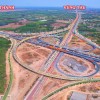
The transportation infrastructure of Western Ho Chi Minh City is regarded as a key strategic factor that plays a pivotal role in promoting regional linkages and socio-economic development. A series of transportation projects such as the Ben Luc - Long Thanh Expressway, the upgrading and expansion of National Highway 1A, and the implementation of the Ring Road 3 project aim to improve connectivity between Ho Chi Minh City and neighboring provinces like Dong Nai, Long An, and Ba Ria - Vung Tau.
The Ben Luc - Long Thanh Expressway plays an important role in reducing travel time between regions, facilitating more convenient connectivity between Long An and Ho Chi Minh City, and promoting trade between the Southeastern and Southwestern regions. It is considered an arterial transportation line that ensures efficient cargo transportation and resident mobility. The improvement of these transportation lines not only enhances travel convenience but is also a significant factor in boosting property values in the area.
Furthermore, the upgrade of National Highway 1A from the An Lac roundabout to the border of Long An Province serves as a major traffic axis linking Ho Chi Minh City to the southwestern provinces. This route not only helps alleviate traffic pressure but also acts as a commercial corridor, increasing the economic value of surrounding areas. Particularly, upon completion, the Ring Road 3 project will connect with five major expressways, including Ho Chi Minh City - Trung Luong, Ho Chi Minh City - Moc Bai, Ho Chi Minh City - Chon Thanh, Ho Chi Minh City - Long Thanh - Dau Giay, and Ben Luc - Long Thanh, creating a highly robust and comprehensive regional network.
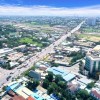
The development of a modern and comprehensive transportation system is helping Western Ho Chi Minh City fully leverage its geographical advantages, becoming a trade, logistics, and gateway hub between Ho Chi Minh City and the Mekong Delta region. This not only drives economic growth but also positively impacts the real estate market, attracting investment from both domestic and international investors.
Beyond transportation infrastructure, the social infrastructure in Western Ho Chi Minh City has also been comprehensively developed to improve the quality of life for residents and attract investment. Social infrastructure development projects, including hospitals, schools, and public facilities, have been synchronously invested in, ensuring high quality standards to meet the needs of local residents.
The modern healthcare system constructed in the western region, including hospitals and medical centers of international standards, provides high-quality healthcare services for the community, ensuring peace of mind for residents living and working here. Moreover, education facilities from kindergarten to high school have received significant investment, creating optimal conditions for the learning and development of the younger generation.
In addition, commercial and recreational facilities such as shopping centers, supermarkets, entertainment areas, and green parks are being developed concurrently, creating a rich and diverse living environment for residents. The development of new urban areas especially emphasizes the construction of green spaces, ensuring residents enjoy a fresh, natural living environment, not only helping to reduce pollution but also providing recreational spaces for residents after stressful work hours, promoting physical and mental well-being. This is one of the key factors in improving quality of life and increasing the real estate value of the area.
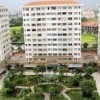
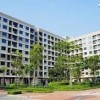
For example, The Larita is a prime example of the development of sustainable green living space in Western Ho Chi Minh City. The project aims to provide residents with a fully equipped living space, combining convenience with privacy, ensuring a high-quality living experience. With its advantageous location and modern facilities, The Larita meets not only the demand for green living but is also particularly suitable for workers employed in nearby industrial zones, offering a comfortable and environmentally friendly living experience.
Overall, with the strong development of transportation and social infrastructure, along with the continuous improvement of convenient services, Western Ho Chi Minh City is rapidly emerging as one of the most attractive real estate areas in the city. The combination of a convenient transportation network, high-quality living environment, and strong economic development potential has collectively attracted a large number of residents and strategic investors from both domestic and international backgrounds. With these advantages, Western Ho Chi Minh City has a solid foundation to become an emerging urban center where both quality of life and investment opportunities reach the highest levels, contributing positively to the sustainable development of Ho Chi Minh City.