







Free Consultation
Update the latest information
Enter your information to receive our advice
News
Update the latest information

Ho Chi Minh City Faces a Shortage of Affordable Rental Housing
As housing prices continue to rise, long-term renting is gradually bec...

Dong Nai is making a strong breakthrough, emerging as a new urban hub.
Dong Nai is witnessing a strong wave of development, with numerous lar...
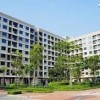
2026 社會住宅「大浪潮」:數萬戶新住宅同步啟動建設
Vietnam’s social housing market in 2026 is entering a strong growth ...
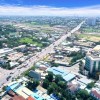
When Infrastructure Meets Incentive Policies: Where Is the New Focus of Capital Flow?
Metro systems, Ring Roads, and Transit-Oriented Development (TOD) are ...

Billion-Dollar Infrastructure Takes Shape, Positioning Dong Nai as a New Investment Hotspot!
Dong Nai continues to strengthen its position as a new regional growth...
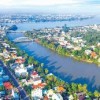
Dong Nai Transforms Rapidly as Investors Rush to Capitalize on Infrastructure Growth Opportunities!
Dong Nai is emerging as a major destination for investment capital, dr...

More Than $1 Billion Flows into the North of Ring Road 4 – Is a New Growth Hub Taking Shape?
The emergence of a 280-hectare urban development, together with a seri...
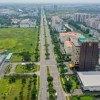
Enhancing Land-Use Efficiency: Ho Chi Minh City Reclaims Project Land in the High-Tech Park
Ho Chi Minh City has recently reclaimed more than 5,000 square meters ...
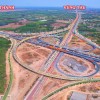
Infrastructure Breakthrough: Direct Connection Between Ho Chi Minh City and Vung Tau via the New Expressway
The opening of Branch 2 of the T2 route at the Long Thanh Interchange ...
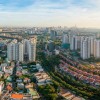
Vietnam Strengthens Its Position on the APAC Economic Map, Creating Major Opportunities for the Real Estate Market.
Vietnam has officially entered the Top 20 fastest-growing economic hub...
Video clip
Update the latest information