

Post Date : Thursday, October 17, 2024
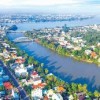
Recently, Sun Group submitted a proposal to the People’s Committee of Ho Chi Minh City regarding the construction of a light rail transit (LRT) line connecting Ho Chi Minh City and Tay Ninh, with a total length of nearly 100 kilometers. The route is planned to run along the Saigon River corridor to create a traffic and tourism development corridor, boosting comprehensive socio-economic development for the Southeastern region by leveraging the area's full potential. By establishing a diverse connectivity corridor, the LRT will not only enhance access to key tourism and economic zones but will also bring significant benefits in urban planning and spatial restructuring, contributing to a sustainable, integrated, and advanced transportation system.
According to the proposal, the general urban planning for Ho Chi Minh City until 2040, with a vision towards 2060, should consider adding a main boulevard with 8 to 10 lanes along the Saigon River, directly connecting Binh Duong and Tay Ninh. This boulevard would not only improve road transport capacity but also enhance the flexibility and efficiency of the overall transport system. The light rail would be the strategic highlight of this transport artery, playing a key role in improving connectivity and trade between Ho Chi Minh City and neighboring provinces, especially Tay Ninh. The implementation of this light rail is expected to significantly enhance transport capacity and public transit between regions, reduce congestion, and improve quality of life for citizens, laying a solid foundation for infrastructure development that will promote sustainable economic growth.
The implementation of the light rail is expected to optimize traffic connectivity between Ho Chi Minh City, Tay Ninh, and provinces along the Saigon River, facilitating the movement of goods and trade exchanges. The route will also be a major driver in attracting investors and developing economic and trade projects along the line. Moreover, the LRT will play a key role in boosting tourism, creating a development corridor from the economy and services to agriculture for Tay Ninh and nearby regions. This transportation system will not only provide convenience for tourists but also enhance the travel experience by improving access to key destinations within the region. The long-term goal is to foster a balanced, sustainable socio-economic environment for the Southeastern region, fully tapping into the potential that Tay Ninh and its surrounding areas possess. The LRT will reduce travel time, promote regional connectivity, and create opportunities for economic development on both local and national scales.
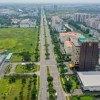
The creation of a traffic corridor along the Saigon River will not only significantly improve inter-regional connectivity but also contribute to the urban planning and development of riverside cities. This could be a critical turning point in establishing modern cities while facilitating the development of real estate, urban areas, and industrial zones. The development of this integrated transport system will provide favorable conditions for investment projects, construction of new urban areas, and modern industrial centers, thereby enhancing urban infrastructure quality and making Ho Chi Minh City a model city in Southeast Asia. Sun Group emphasizes that the focus of this plan is sustainable development, effectively unlocking the great potential of the Southeastern region with the aim of making Tay Ninh a key hub in an integrated modern transport network. This not only creates development opportunities for Tay Ninh but also drives major changes in urban spaces, improving the living environment and promoting sustainable development across the region.
The development of the Ho Chi Minh City - Tay Ninh light rail is an important part of the general urban planning strategy for Ho Chi Minh City until 2040, aimed at building a modern city with a sustainable, integrated regional connectivity system. The LRT will not only improve the connectivity of the transportation system but also have a strong impact on the economic, service, and tourism development of the region. Strengthening the links between Ho Chi Minh City, Tay Ninh, and provinces along the Saigon River will unlock untapped potential, foster new development momentum, and contribute to sustainable economic growth in the Southeastern region. The light rail will also serve as a strategic tool for urban planning and development, ensuring the rational distribution of urban spaces and supporting sustainable urbanization. This aligns with the goal of building a smart, modern city that meets international standards, helping Ho Chi Minh City and Tay Ninh reach their full potential. The planning and development of modern transport corridors will not only improve connectivity but also enhance the region's competitiveness, promote investment, and create a foundation for long-term stable development.