

Post Date : Thursday, November 14, 2024
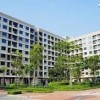
According to the Ministry of Construction's report, the inventory includes 4,688 apartments, 12,250 individual houses, and nearly 9,000 plots of land. Notably, the majority of the inventory is concentrated in the townhouse and land plot segments located in suburban areas, where high prices, unclear legal statuses, and unfavorable locations make these products less attractive to buyers. Factors such as a lack of legal transparency, unsuitable locations, and high prices have made these real estate products a financial burden for both investors and the market.
Meanwhile, the apartment segment, which is expected to meet actual residential needs, also recorded high inventory from ongoing projects that have yet to determine launch times or are stalled due to legal issues. The legal ambiguity and administrative procedural problems have caused and are continuing to cause delays in many projects, increasing implementation costs and placing financial pressure on developers. From a market structure perspective, these barriers are weakening the ability to convert inventory into liquid assets, thus negatively impacting the cash flow of enterprises.
The Ministry of Construction recommends that real estate enterprises proactively review and optimize costs, while also adopting advanced construction technologies to reduce product costs. Actively using smart construction technologies, eco-friendly materials, and automating processes not only helps reduce costs but also enhances product competitiveness. In particular, this helps products become more accessible to the market's purchasing power, creating balanced benefits between enterprises and consumers, thereby strengthening confidence in the real estate market.
Mr. Lê Hoàng Châu, Chairman of the Ho Chi Minh City Real Estate Association (HoREA), emphasized that the large amount of inventory is becoming a financial burden for those enterprises with weak financial foundations, especially those using high leverage. When inventory cannot be converted into cash flow, it becomes a massive burden, eroding the financial capacity of enterprises and pushing many companies towards insolvency. Mr. Châu advised developers to urgently devise strategies to clear inventory, with price adjustments being a viable solution to generate liquidity, improve cash flow, and enhance the financial strength of enterprises.
Furthermore, Mr. Châu suggested that banks should support by reducing mortgage rates, thereby providing more accessible funding conditions for residents. Lowering mortgage rates will stimulate demand, increase residents' ability to purchase homes, and thus improve market liquidity. Government management agencies should also promptly resolve legal obstacles to help enterprises proceed with and launch projects, thereby reducing inventory pressure. This requires simplifying approval processes, improving interdepartmental coordination, and promoting transparency in legal regulations to create favorable conditions for enterprises.
Despite the high inventory levels, real estate prices in the market continue to rise, especially in Hanoi and Ho Chi Minh City. In Q3 this year, apartment prices in these two cities increased by 4-6% quarterly and 22-25% annually, with some areas witnessing price increases of up to 35-40% within just a few months. This shows a severe imbalance between supply and demand, as speculative factors continue to drive prices up, while actual market demand remains unmet. The continued rise in property prices despite significant inventory also reflects widespread speculation and unrealistic price expectations from many investors, leading to an increased risk of a real estate bubble.
To cope with this situation, real estate enterprises need to demonstrate greater flexibility and initiative in reducing inventory. In particular, adjustments in business strategies are needed, focusing on developing products that match actual demand and purchasing power. Enterprises should also expand strategic partnerships to enhance the added value of products, creating new appeal for buyers. Focusing on the real value of products, rather than merely chasing short-term profits, will contribute to the market's stability and sustainable development.
Additionally, activities related to communication, product promotion, and after-sales service improvement play an important role in attracting customers. Enterprises need to understand consumer demands, ensure transparency in the purchasing process, and develop customer support policies such as discounts, promotions, or flexible payment options. These measures will not only help stimulate demand but also effectively clear inventory.
In conclusion, to overcome the current inventory challenges, real estate enterprises need to proactively adapt, including adjusting prices, optimizing construction costs, and improving customer support policies. This requires close coordination among enterprises, banks, and government management agencies to create a stable and sustainable market environment amidst the current volatile conditions.