

Post Date : Friday, October 18, 2024
With a population of about 9.5 million, Ho Chi Minh City is the largest metropolitan area in the country, where the real estate market is diverse and vibrant. However, the rapid urbanization process has increased the demand for quality, nature-friendly living spaces. Over-urbanization has not only led to a shortage of green spaces but also increased issues related to environmental pollution, public health, and overall quality of life. Therefore, developing green urban areas has become an inevitable and urgent trend. A green city is not just about having more trees but also integrating smart solutions to optimize energy use, resources, and environmental protection.
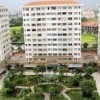
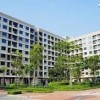
Phu My Hung, a township in South Saigon, is a typical example of the green urban model in Ho Chi Minh City. With a green space area of 8.9 square meters per person—far exceeding the city average of under 1 square meter per person—Phu My Hung provides an ideal living environment while contributing positively to increasing real estate values and improving the quality of life and health of its residents. This model reflects the successful combination of infrastructure development and ecological value preservation, thereby enhancing community satisfaction and happiness. The benefits of Phu My Hung are not only limited to material aspects such as rising real estate value but also the improvement in mental well-being and community connectivity, creating an inspiring and nature-friendly living space.
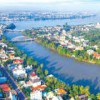
Alongside Phu My Hung, other green infrastructure projects are also taking place in South Saigon, aiming to improve traffic connectivity, reduce congestion, and develop urban amenities in a sustainable manner. Parks, reservoirs, and canal systems are also being preserved and rehabilitated to enhance water regulation, reduce flooding risks, and create attractive ecological landscapes for residents. These efforts demonstrate Ho Chi Minh City's commitment not only to economic development but also to protecting and improving environmental quality.
Ho Chi Minh City is also actively promoting infrastructure upgrades, particularly focusing on Can Gio Port with the goal of developing it into a green port. This port is expected to be a breakthrough in the city's sustainable infrastructure development strategy, attracting strong investment from domestic and foreign enterprises, thereby contributing to building a sustainable urban environment for the whole city. Can Gio Port is not just an infrastructure project but also a symbol of the city's determination to move towards a green and sustainable economy. Developing a green port also means applying high environmental protection standards, using clean energy, and minimizing negative impacts on the area's natural ecosystems. This is an important step to ensure that economic development does not come at the cost of environmental degradation.
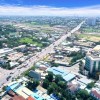
Future urban areas such as South Ho Chi Minh City, Can Gio Coastal Urban Area, and the new Sing-Viet Urban Area are being developed with a long-term vision, emphasizing the harmony between modern infrastructure and sustainable natural landscapes. These projects not only affirm Ho Chi Minh City's determination to build sustainable urban areas but also provide an ideal living environment where people can enjoy a harmonious life with nature, contributing to shaping a new face for the 21st-century city. In addition to developing green urban areas, the city also focuses on building quality public spaces such as parks, squares, and walkways to create open areas that connect communities and promote a healthy lifestyle. These spaces are not only places for residents to relax but also play an important role in reducing the urban heat island effect, increasing rainwater absorption, and improving air quality.
The development of green urban areas in Ho Chi Minh City is also accompanied by solutions for renewable energy, the construction of smart buildings, and the development of green public transport. New buildings are designed to save energy, use environmentally friendly materials, and apply technology to optimize water and electricity use. Public transportation is also being upgraded with electric buses and metro lines to help reduce dependence on personal vehicles and contribute to reducing polluting emissions.
Overall, Ho Chi Minh City's green urban development strategy not only meets the demand for a modern and convenient living space but also plays an important role in addressing environmental challenges and climate change. The initiatives and projects being implemented are evidence of the city's long-term vision and strong commitment to building a sustainable urban area where people can live, work, and enjoy life in a safe, healthy, and environmentally friendly environment. With the collaboration of residents, businesses, and government agencies, Ho Chi Minh City has the opportunity to become a model of sustainable urban development for other cities in the region and worldwide."
Is this the kind of translation you were looking for? Let me know if you'd like any adjustments or further refinements!